
Beautyworld ME 2025: Founder to CEO transition demands strategy, discipline and emotional intelligence
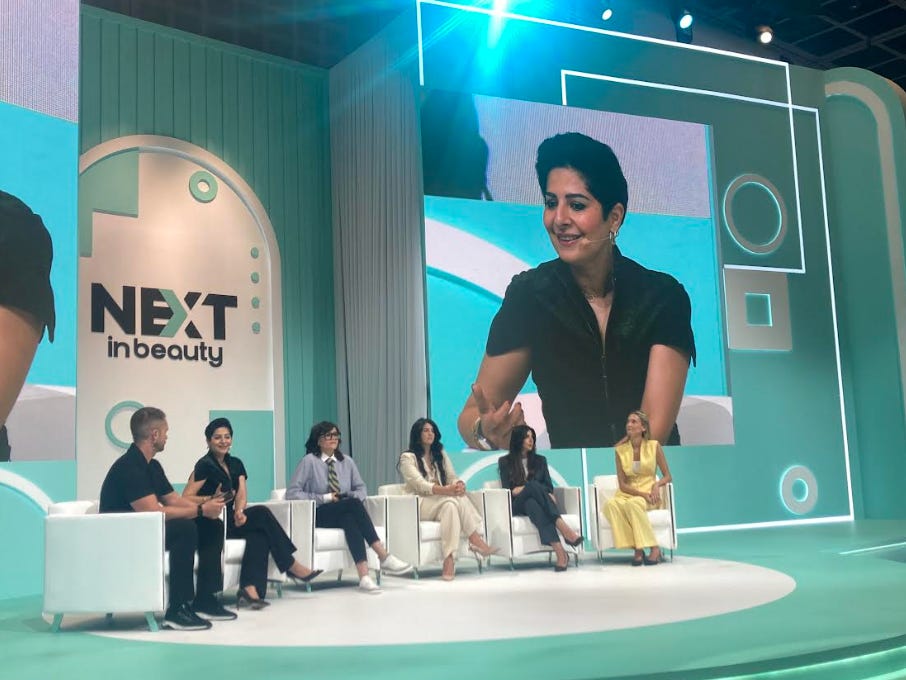
The shift from founder to CEO is one of the most challenging transitions in business and it demands not only strategic thinking and discipline but also humility, emotional intelligence and a willingness to evolve.
That was the key takeaway from a panel discussion at this year’s Beautyworld Middle East held at Dubai’s World Trade Centre. The panel session, titled ‘The CEO’s guide to leading a beauty brand in a fast-changing industry’, included CEOs Anisha Oberoi (Secret Skin), Iryna Kremin (INNOCOS), Layal Akouri (Nadine Njeim Beauty), Claire Despagne (Day+) and Dina Sidani (Ilik).
Akouri said the difference between being a departmental leader and a CEO is profound. She explained: “As a director or VP, you’re responsible for your area, your people, you’re part of the culture and you’re driving success. The CEO role is more strategic; it requires discipline, commitment and hard work. You’re leading the vision, making sure everyone is on track, and helping people grow. That’s what a startup is about, giving people the chance to start with you, learn and develop.”
For Oberoi, the CEO journey is both a test of skill and self-awareness. She said: “Just because you call yourself a CEO, because it’s your startup, doesn’t mean you’ve earned it yet. You have to stay humble, remember it’s a steep learning curve, and keep chipping away at yourself. Not all founders make good CEOs, and not all CEOs can have the vision of a founder.”
Oberoi added that early-stage CEOs must strike a balance between creative vision and operational discipline, combining the imagination needed to shape a brand with the analytical focus required to ensure financial and structural stability.
The panel agreed that women founders often face additional hurdles in gaining credibility and funding. Oberoi noted: “Women receive very little funding. Even if you’re not fundraising, you have to work extra hard to prove yourself.”
Oberoi highlighted the importance of personal discipline and emotional awareness, explaining that recognising the difference between stress and overwhelm is key to effective leadership. She said taking time to pause and reset allows for clarity and composure, helping leaders return to challenges with focus and balance.
Kremin said that for her, leadership starts with self-awareness. She added: “Before launching my company, I hired a personal development coach to help me understand my strengths and vulnerabilities. That helped me find the right team and people who complement what I lack.”
She said the most effective CEOs are those who prioritise their people, focusing not only on performance metrics but on helping their teams succeed and develop individually.
Oberoi echoed this, stressing that leadership is about intention and shared purpose. She said: “When you hire, you hire with intention. If you can assemble people with purpose and commit to the mission as a collective, it goes a long way.”
Akouri, who leads a 20-strong team, said she values adaptability and mindset above job titles or seniority. She explained that she prefers to hire people with curiosity and drive over long experience, describing her team as explorers who are eager to learn and grow.
She added: “No one will remember your title after ten years but they’ll remember what you did for them. Leadership is about helping people grow and giving them the chances we were given.”
Despagne added that leaders must recognise potential points of friction from the outset rather than idealising candidates. She said: “You have to think about the breakup from the very first minute of the interview,”, explaining that the same traits that later frustrate us are often visible on day one.
She noted that when she hires someone, she writes down what she believes could eventually cause tension or lead to dismissal, then asks herself whether she can live with it. Despagne said that strong leadership is about accepting and managing imperfection rather than seeking it away.
The panel also discussed the role of innovation and technology in leadership. Oberoi said AI offers opportunities but warned against overreliance.
She said: “AI is like a horse, you can train it and use it to implement strategies, but the vision has to come from you. Customers know the difference between authenticity and fakeness.”
She noted that technology is transforming product development and consumer insight: “We’re seeing AI being used in formulations, in understanding the microbiome, and even in DNA-based diagnostics to help women make better skincare decisions.”
But she cautioned that “AI is a double-edged sword, it’s about knowing exactly what part of your business you want to give it access to.”
Akouri said her company continues to focus on quality and integrity despite market noise. She said: “We stick to science. There’s so much misinformation in beauty. We only introduce ingredients backed by independent clinical studies, not because an influencer says something is toxic. Our products work, and that’s why customers stay loyal.”
The founders agreed that authenticity, consistency and resilience are the foundations of lasting leadership.
Oberoi said: “Everyone is figuring it out every day. The key is to stay in the game. When you’re tired, pause but don’t stop.”