
Beautyworld ME 2025: Trust is the new currency in beauty
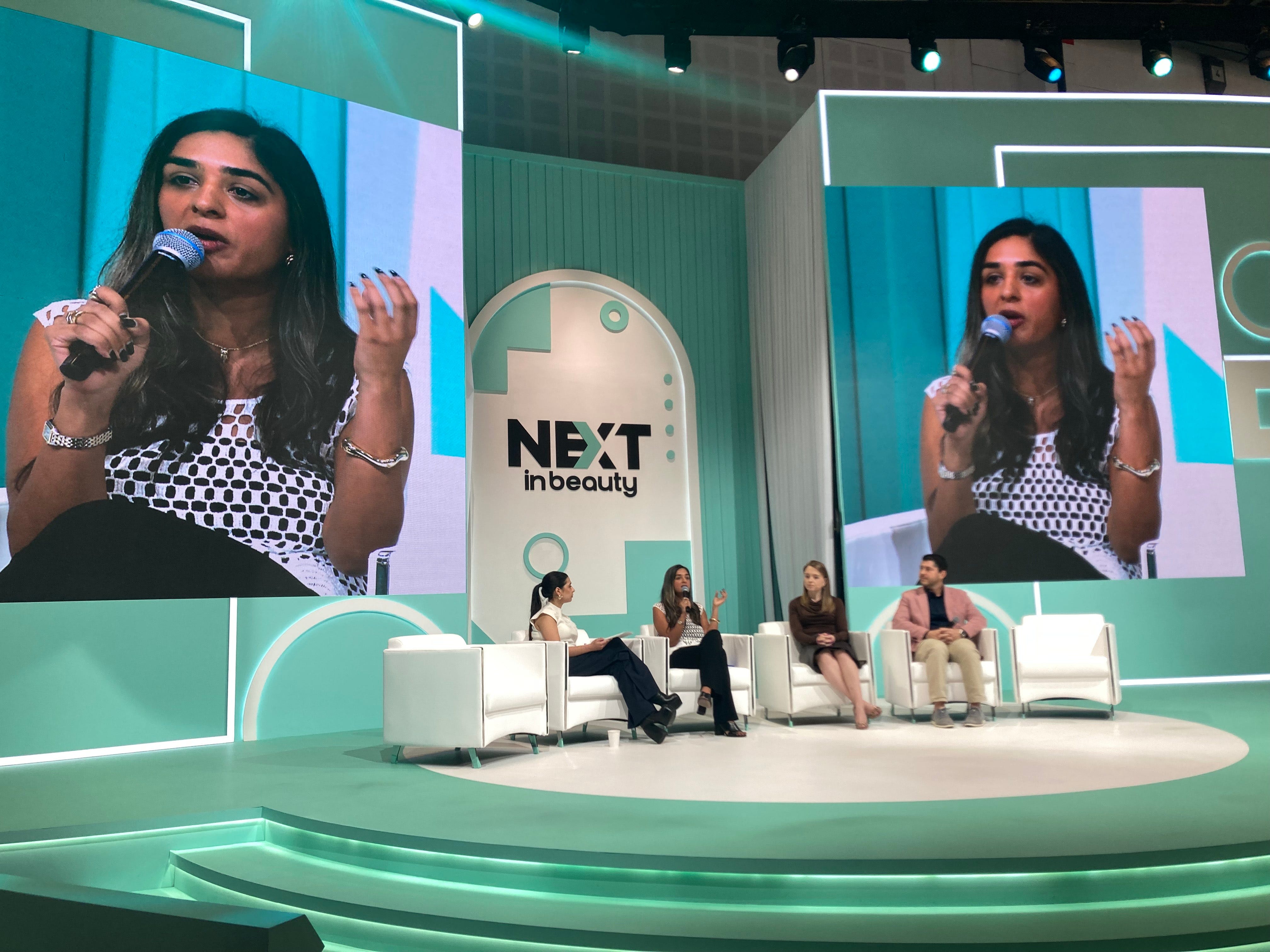
Trust is the new currency in beauty, built through authenticity, listening to consumers and meaningful engagement across every touchpoint.
That was the key takeaway from a panel discussion titled ‘Influencers, experts and evidence: Who do consumers trust?’ At this year’s Beautyworld Middle East, with Coty MENAT commercial strategy, marketing, CMI senior director Michael Curella, Alshaya Group divisional marketing director - wellness Anne Tulloch and CTZN Cosmetics co-founder Aleena Khan.
According to the panellists, trust begins with the product and is reinforced through knowledgeable beauty advisers, clear policies and responsiveness.
Curella frames trust as a two-way conversation. He said: “It’s critically important to have influencers who span the very nano all the way to very macro elements of the categories that we interact with. We want to see opinions and voices and creators that play with 5,000 followers all the way to 15 million followers.
“What we are constantly doing is having a discussion with these creators. It is a two-way dialogue. We not only want to be able to reinforce to them what our brand positioning is, what the unique selling position of the individual product is, but we also want them to be able to portray that information in their own unique voice.”
Data and audience alignment are key considerations when selecting influencers. Curella explained that understanding where a creator’s audience is located ensures campaigns reach the intended markets effectively.
He added: “The tools we typically subscribe to are elements associated with very quantitative metrics. If I’m selling to a market in Saudi, I don’t want to interact with a creator who has 90% of their audience in the USA. I’m happy to help an influencer attract a new demographic to speak to a new audience, but it needs to be a two-way dialogue.”
Tulloch said that building trust begins with delivering on the brand promise and ensuring consistency across every customer touchpoint. She said: “It starts with the product or service you’re offering. It has to deliver what you’re communicating to the customer on. It’s all about more listening than selling in that early time, to build that trust and authenticity relationship wise with the customer.”
She added that transparency across every channel, from clear online reviews to simple, flexible returns, plays a vital role in building customer trust. She noted that trust also goes beyond rational factors like price or policy, often stemming from consistent, positive experiences with knowledgeable staff and reliable service.
She noted: “Trust isn’t always rational. It can be quite innovative. An example I always look back on is a brand in the UK called Formula. They have a tagline, ‘Never knowingly undersold.’ That’s rational; they always go to them for the best price point. But it goes deeper than that. Trust isn’t always transactional, it comes from previous experiences.”
Meanwhile Khan said that inclusivity is a non-negotiable part of building trust and requires more than superficial gestures. She stressed that actions must align with a brand’s mission, and it’s not enough to simply claim inclusivity or cast diverse models in campaigns, every initiative needs a clear process to genuinely reflect the commitment.
According to Khan, CTZN actively engages its audience in product development through surveys, focus groups, and online tools like Instagram polls, ensuring products meet the real needs of the people they are designed for. She noted that his approach has guided the creation of its 25-shade nude lip collection, developed by asking people across a wide spectrum of skin tones what they like about their favourite nude lipsticks and what they would change.
She added: “Even when you have 50+ foundation shades, feedback might still be that it’s ashy on certain skin tones. We build trust by going beyond casting. Even if we cast a model on a campaign, we’re using that as an opportunity to get more feedback on product. We also have a community advisory board.
“We enlist VIP customers from social media, ensuring representation from different ages, genders, ethnicities, even the disability community. We’re not able to think about every community ourselves. That’s how we try our best to get inclusivity right.”
Tulloch noted that peer-to-peer influence is becoming increasingly important, as customers often look to each other for inspiration rather than relying solely on macro, micro or nano influencers. She highlighted that consumers now expect transparency from multiple voices across platforms.
Khan added that word-of-mouth and authenticity remain critical, particularly as AI and social media change how people consume content. Micro-influencers are especially trusted because they appear genuine and less monetised, while macro influencers can extend reach if aligned with brand values.
Meanwhile, Curella emphasised that scientific credibility can enhance trust, but only if claims are specific and verifiable. Generic or vague statements fail to resonate with consumers.
He said: “If you have an identifiable scientific claim, you need to bring that. But if you are generic in your form of science, don’t bother. Work on a different attribute, something marketing-related, and you’ll have a much better selling story.”
Tulloch added: “Generic claims lack credibility. Consumers expect transparency. The more specific you can be, the more credible the claim. Messaging hierarchy matters. Fill out your key messages and ensure your community management is strong to continue the conversation wherever the customer wants.”
Additionally, retail strategy is also central to building trust, with in-store advisors playing a key role in deepening consumer engagement and boosting product interaction.
Curella said: “For our brands, beauty advisers are extremely high priority. They convert the 30-second moment at point of sale into three or four minutes, allowing consumers to interact with products at a deeper level. Points of retail with beauty advisors show a massive difference in product rotation.”
He emphasised that data and personalisation are critical for future trust-building, with brands needing to tailor messaging, creators and content to resonate meaningfully with consumers.
He stressed: “Stop being generic. Localise your messaging, your creators, even the language. Stand for something instead of nothing. Customisation is meaningful. If we can create more loyal consumers through responsible data use, we see opportunities for penetration and retention.”
Khan emphasised that brands should go beyond using the same influencers as their competitors and instead seek out individuals who truly align with their values, even if they come from unexpected industries. She added that genuine authenticity has the greatest impact.
Hey, great read as always. This idea of trust as the new currency totally nails it! I found the point about two-way dialogue with influencers, from nano to macro, super intersting. Given the scale, I'm curious how brands balance ensuring consistent messaging with allowing for each creator's unique voice without it becoming too chaotic. Must be a complex data problem.