
Dubai steps up cosmetics safety with new lab test for banned nail polish chemical
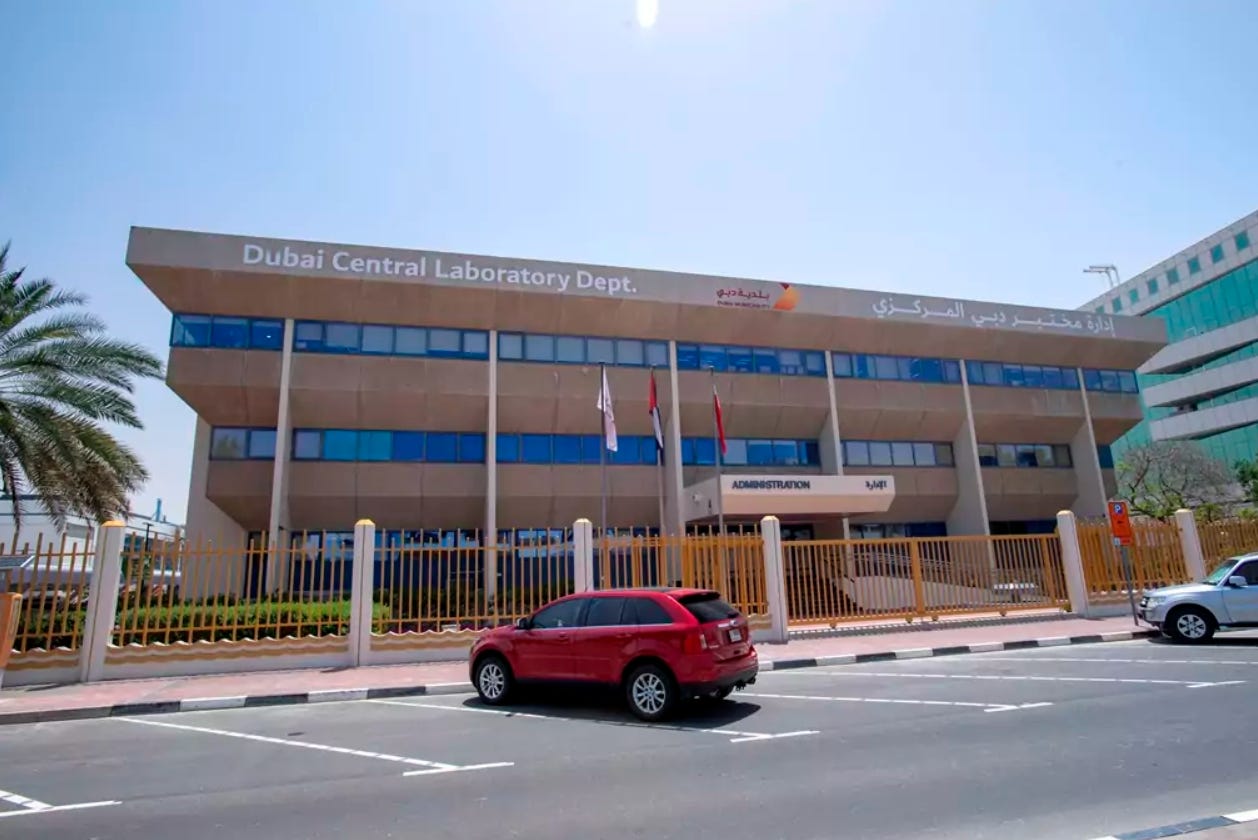
Dubai Municipality’s Central Laboratory has introduced new testing to detect trimethylbenzoyl diphenylphosphine oxide (TPO), a chemical compound recently prohibited by the European Union due to its potential impact on reproductive health.
TPO acts as a photoinitiator, meaning it reacts to light. In gel nail polish, it helps the polish set under ultraviolet (UV) light and has been widely used in nail and cosmetic products.
The European Union banned TPO from all nail products on 1 September 2025, after classifying it as toxic to reproduction. The European Commission listed the compound as a CMR category 1B substance, meaning it is presumed to be harmful to reproduction based on animal studies that found reproductive toxicity effects.
Dubai Municipality said the Central Laboratory’s enhanced testing capabilities follow an extensive modernisation programme aimed at meeting international safety standards. The new capability allows the lab to identify and quantify TPO in cosmetics and personal care items, ensuring that both imported and locally produced products comply with global regulations.
The move is seen as a proactive step to protect consumers, particularly women, who are the primary users of nail care and cosmetic products that may contain the compound.
Dubai is strengthening consumer protection in one of the region’s most competitive and fast-growing beauty markets by aligning its oversight with EU safety regulations.
The move brings Dubai in line with Morocco and other countries tightening cosmetic safety regulations around the chemical.