
Yulia Rorstrom interview: Duck & Dry founder on Middle East expansion and career journey
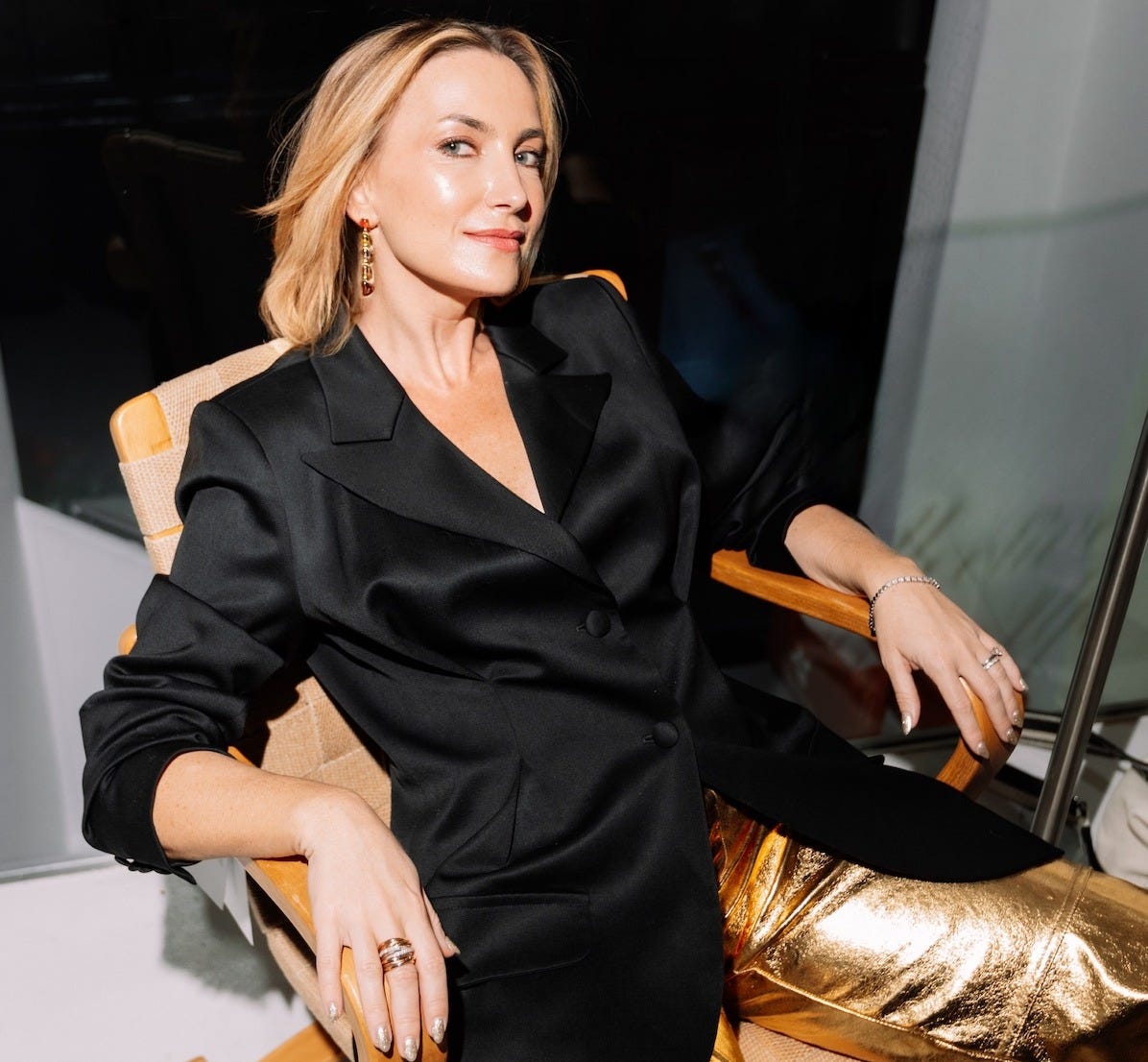
Duck & Dry founder Yulia Rorstrom has grown the business from a single London salon into an international brand, opening its first Middle East location in Doha a month ago.
The new site is part of an exclusive partnership with Rosewood Hotels and is located within Asaya, the hotel’s private members’ wellness club.
Rorstrom told Arabian Beauty Business: “They have a spa, and in Doha, they’re creating a private members’ social wellness club. You have to be part of the membership to use it. It’s gorgeous, nails, hair, paddle waters, and they’re passionate about quality.”
Meanwhile, existing clients will have first access to the new Doha salon without needing to sign up for the Asaya membership.
Rorstrom said training the team to meet Rosewood’s standards was a significant part of the project.
She said: “We’ve been training our team for so long. They really wanted to bring other brands to Doha, and that’s how it came about. It’s a joint venture between ourselves and Rosewood.”
The Doha salon will officially launch in January, which marks the beginning of a broader regional expansion.
She confirmed: “They’ve got quite a few launches planned for Saudi Arabia and the UAE. We’re hoping there will be a partnership wherever they expand their wellness clubs.”
Early days
Reflecting on her career journey so far, Rorstrom explained that she came from a finance background and previously worked as a management consultant.
“I found the right niche for opening in the market and something that I felt was missing in London, where I could bring something to the table. So it happened to be Duck & Dry — my life could have taken a completely different turn had I come up with a different idea.”
She launched the first Duck & Dry salon on King’s Road, Chelsea, over a decade ago. At the time, she noted that the UK salon market was still highly traditional compared to the US.
Blow-dry bars, popularised by American salon chains and television shows, were virtually unknown in the UK then.
She added: “It was still quite traditional hairstyling, full salon experiences. Now we have nail bars, massage parlours, clinics and blow dry bars everywhere. But back then, it was a completely different market.
“My idea was bringing that US concept, but making it British, making it London, adapting it to the local market. Why not start with Chelsea?”
Taking the leap
Rorstrom said her decision to start a business was driven by the desire for independence as much as innovation.
She said: “People often ask me, do you have to have a passion in a specific sphere, or do you need to have a skill set in that? My point of view is no. It’s great if you do, but sometimes drive to be your own boss is enough. You can always gain the skills you need through consultants or fractional CEOs who help you fill the gaps.”
Rorstrom, who wasn’t a professional hairstylist, launched the business without ever having met with a salon owner, something she advises new business owners to do.
“Looking back, that could have been useful, just understanding the day-to-day running of the business. On our first day in the salon, I didn’t have any petty cash. I was like, what is petty cash and change?”
She reflected that early missteps highlighted the importance of preparation and building connections. She emphasised seeking advice from people working directly in your field, being clear about your unique strengths and reaching out to other businesses you admire.
“It’s really useful to talk to people in that exact space, not somewhere in the periphery. Nine times out of ten people will give you the time if you just ask. I would say think about your USP and reach out to other businesses you’re looking up to. Say, ‘Can I pick your brains?’ Everyone hates that phrase, but most of the time they’ll say yes.”
But she warned that the beauty and wellness sector is highly competitive. She said: “Every space is busy and filled, but that doesn’t mean there isn’t room for another brand. It doesn’t have to be a reinvention of the wheel.
“Sometimes it’s enough for it to be a little better, a little cheaper, or with a stronger brand or experience.”
Building confidence and a team
Rorstrom admitted that confidence and self-awareness are just as important as business planning.
She said: “I was quite young and confident, and it takes that naivety to take the leap. Over time, I’ve learned to understand what I’m good at and which bits other people are better at. It’s so important to recognise what you can excel in, and where you need help.”
When it came to finding her first employee, the process was organic. “My first hire was back in the day when you were allowed to not have paid interns — you could just do lunches and travel expenses. She’s still on board with me 11 years later on full pay!”
At the time, Rorstrom was researching the market and looking for a physical location. She recalled that it took nearly a year from deciding to start the business to officially opening.
She said: “It took almost 12 months from deciding ‘I’m going to do this’ to actually opening doors. I’m quite self-motivated, but there were days when you were just drifting. I realised I needed someone else, someone I could show up for. So it doesn’t have to be huge; it can start with just one person.
“We rented a shared office, nothing big. It was about being consistent day in and day out — setting tasks and having someone alongside you to throw ideas at.”
As the business expanded, she noted that her understanding of management deepened. She emphasised that not everyone will be a perfect fit and it’s important to attract a team that aligns with your style and values. Rorstrom said that while some adaptation is necessary, founders benefit from surrounding themselves with people who complement the way they work.
Looking back on more than a decade of growth, Rorstrom said the same principles that helped her launch her first salon remain central today.
She stressed: “Be honest with yourself about what you’re good at, critical of your skill set, but believe in the end result. It’s about finding the right people, staying adaptable and building something that lasts.”